
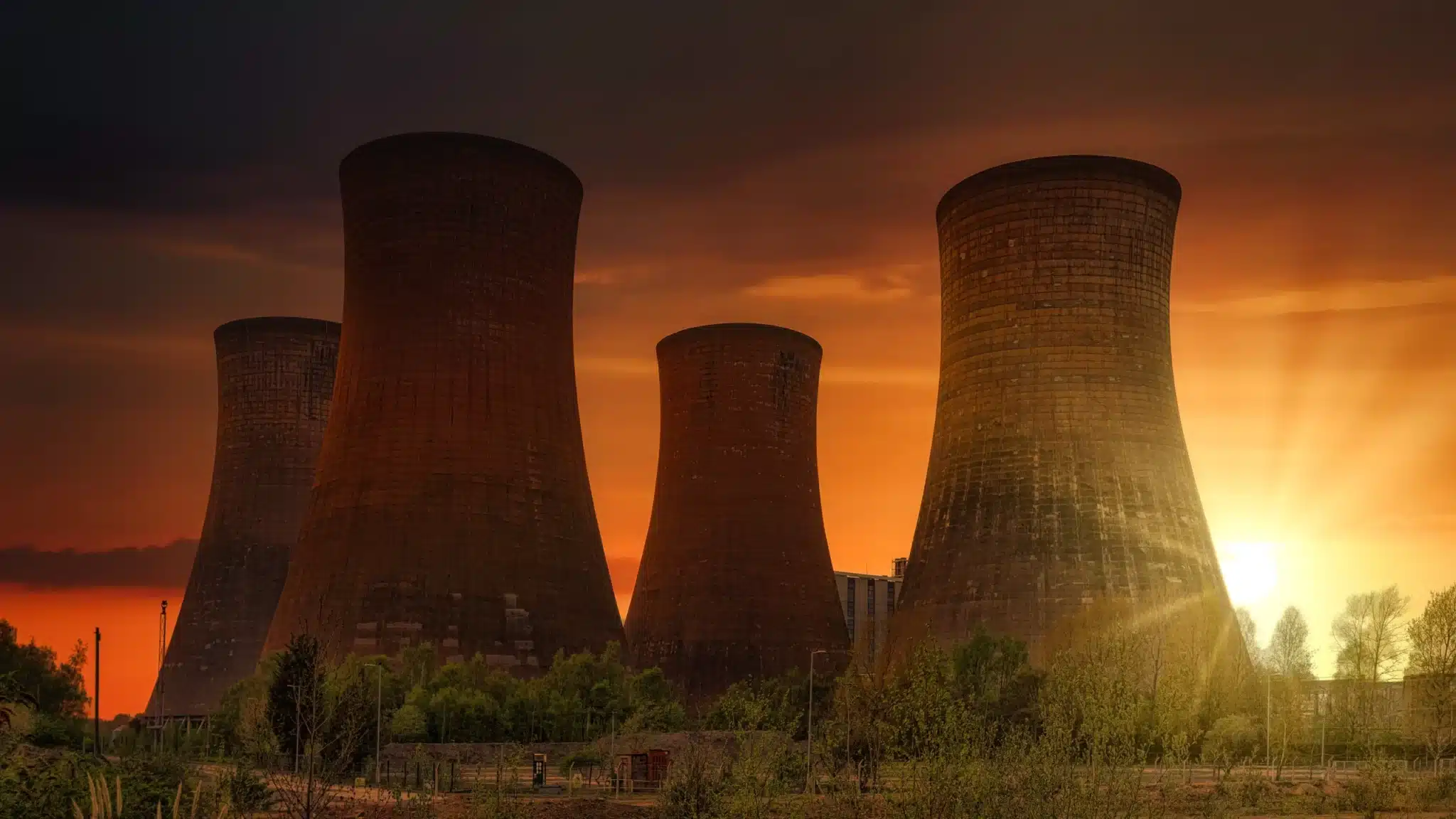
France Bets on Nuclear Energy to Achieve Carbon Neutrality
In a move aimed at sustainability, France has strengthened its commitment to nuclear energy as a central pillar of its national energy strategy, with the goal of achieving carbon neutrality by 2050. The announcement, made in Belfort on February 10, 2022, includes the construction of six new nuclear power plants, with the option to expand the project by an additional eight, marking a decisive moment in the country’s energy policy.
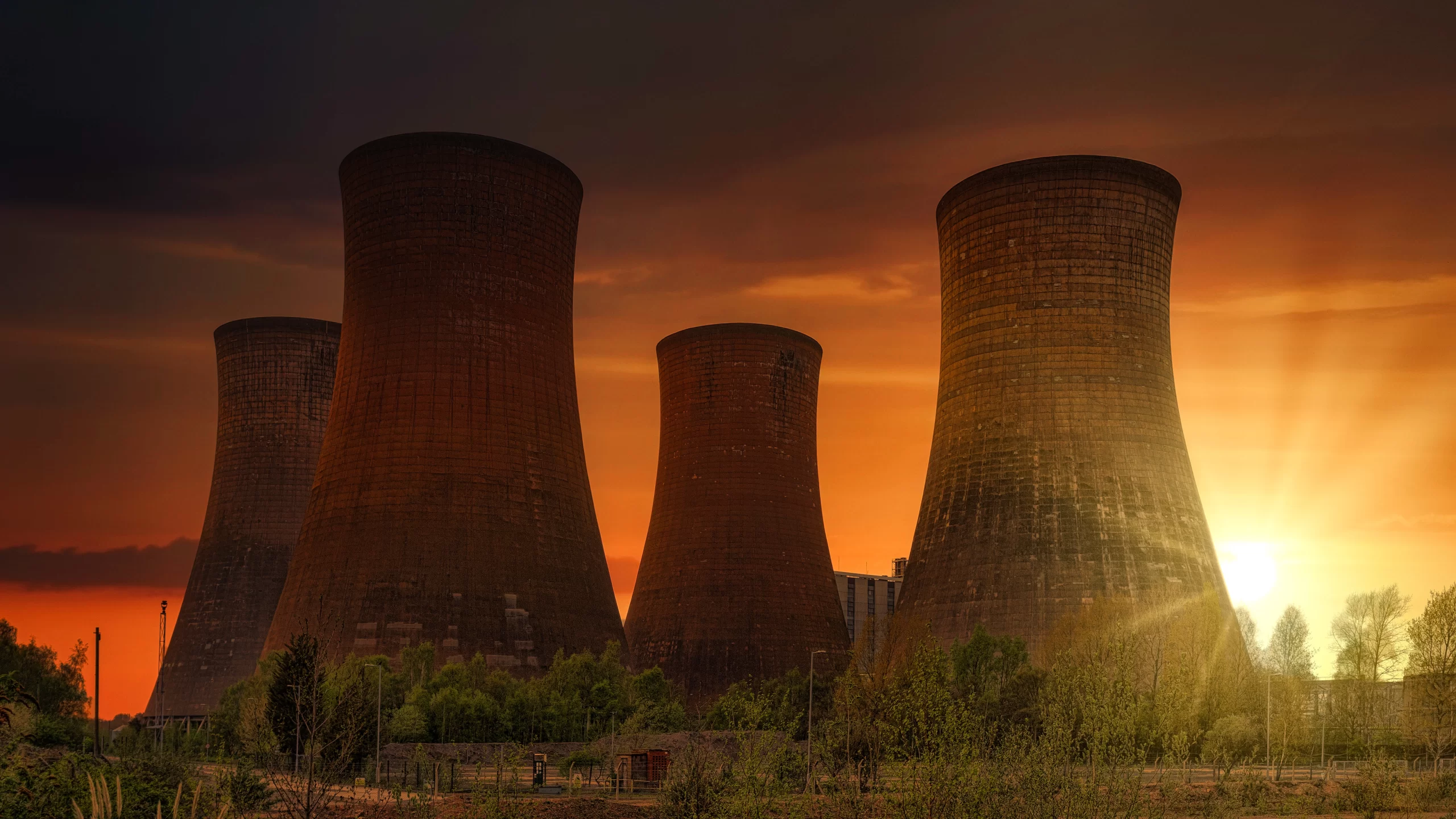
A Renewed Commitment to Nuclear Energy
During a speech at the GE Steam Power System production center, President Macron outlined plans that aim not only to strengthen France’s energy independence but also to significantly reduce greenhouse gas emissions. This nuclear energy project is not an isolated gesture, but part of a broader effort to modernize France’s energy infrastructure and proactively respond to global climate challenges.
Project Details
The new reactors, which will be built and operated by Electricité de France (EDF), are scheduled to begin construction in 2028, with the first reactor expected to be operational by 2035. Additionally, an agreement has been reached to extend the lifespan of the 32 oldest reactors to 50 years, ensuring their functionality into the 2030s.
Despite the low-carbon benefits of nuclear energy, it is not without controversy. Environmental activists and anti-nuclear groups have raised concerns over costs, long-lived radioactive waste, and the risks associated with this form of energy. Macron’s decision has sparked intense debate, especially in a pre-election context where nuclear power has emerged as a divisive issue.
The European Context
France’s commitment contrasts with the stance of other European countries like Germany, which has begun shutting down its nuclear plants and is fully embracing renewable energy. At the European Union level, the recent classification of nuclear energy as “sustainable” has created division, with countries such as Spain and Austria voicing their opposition and considering legal action.
In parallel with nuclear development, Macron has also pledged to advance renewable energy projects, including the construction of 50 offshore wind farms, scheduled to become operational next April. This dual approach underscores France’s commitment to a diversified energy mix that balances long-term stability with sustainability.
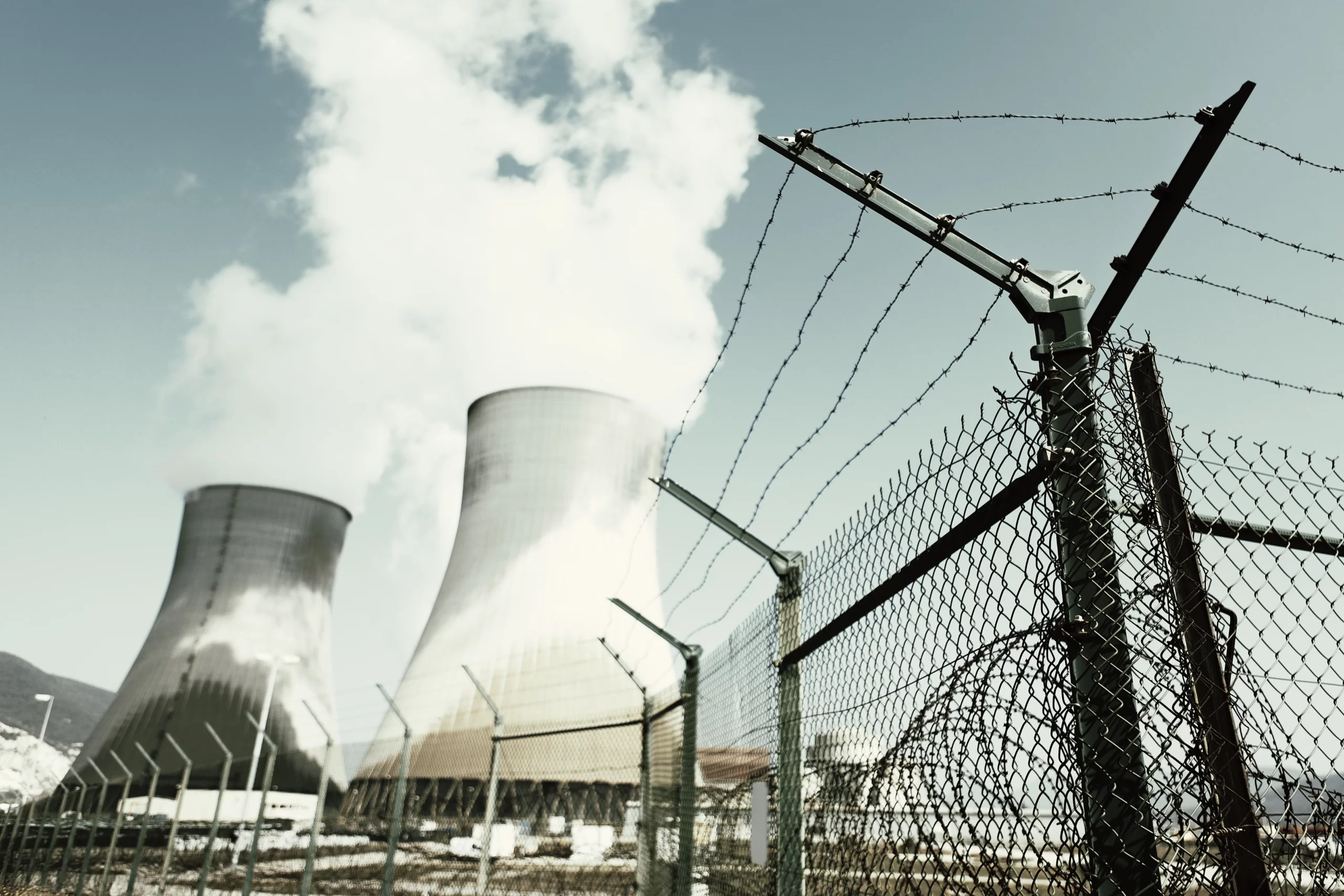
France’s Nuclear Infrastructure
France’s ambitious plan to revitalize its nuclear infrastructure presents both a promising solution and a set of significant challenges. As the country moves toward carbon neutrality, integrating energy policies that include both nuclear and renewable sources will be crucial for a balanced and effective energy transition.
With this strategy, France not only aims to reaffirm its leadership in energy independence but also to foster a global transition toward cleaner and safer energy sources—even as the debate over the sustainability of nuclear energy continues. Want to stay up to date with the latest in the renewable energy industry? Subscribe to our monthly newsletter and receive valuable insights, market analysis, and exclusive perspectives straight to your inbox. Contact us!