
Renewable Energy in Brazil: A Booming Market for Investment

The renewable energy market in Brazil has become a trendy market for investment in recent years. Private generation of electricity and surplus supply to the grid from renewable energy sources have made the market attractive for investors. In fact, Bloomberg’s New Energy Finance expected Brazil to attract $300 billion USD in infrastructure investment in the next 17 years.
Energy Transition – 3 Ways to Accelerate it
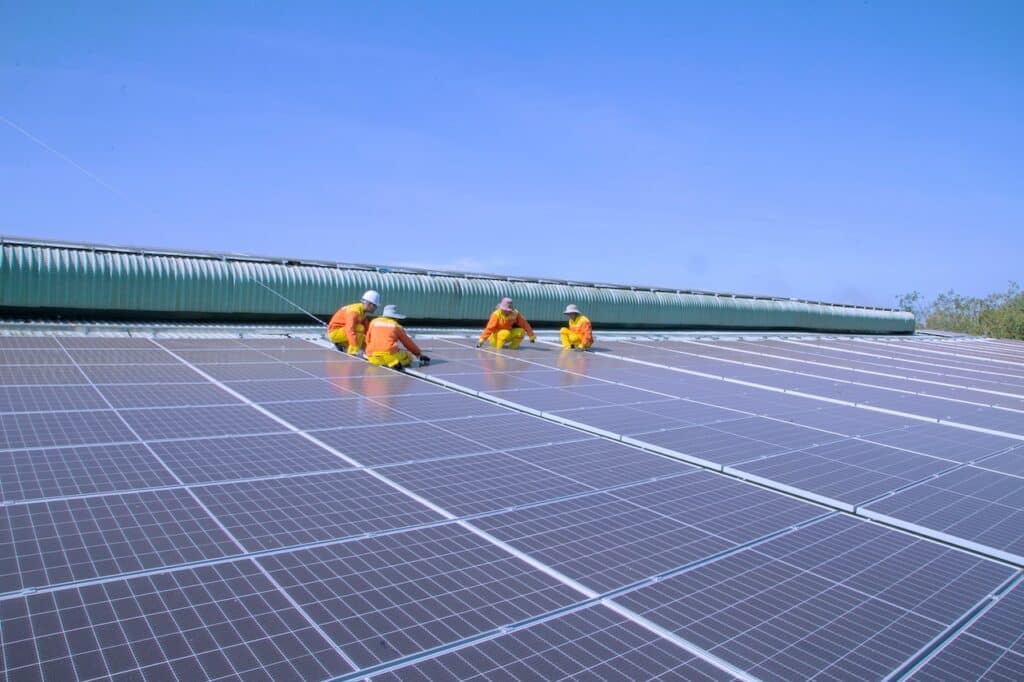
To accelerate the energy transition, companies such as Schneider Electric have made an urgent call to governments and companies. They also recommend increasing their investments in technologies and specialized personnel that help them reduce their carbon emissions. All this is because the environmental, macroeconomic, and geopolitical crises have put the global energy transition under pressure in the last three years.
Cybersecurity and Renewable Energies

While only some industries and companies take cybersecurity seriously, the energy sector must recognize its importance. The industry has been facing increased cyber attacks, especially toward the supply chain. With renewables growing faster, there is an increased digitalization of the sector. It is of the utmost importance that renewable energy companies have the right team to face these challenges.
Accelerating transition within companies

Accelerating the energy transition to a green economy is becoming increasingly important and a high priority for companies, since to the significant impact of energy as responsible for 60% of global greenhouse gas emissions. This requires identifying strategies that companies can adopt to become more sustainable:
Top 3 renewable additions to watch in 2023

2022 is coming to an end, which means that we’re about to hear a new boom of renewable additions in 2023. After the energy crisis we have faced in the previous years, it is not only start-ups in developed countries that are betting on clean energy but governments in developing countries too. Countries outside of the global north and the BRICS seem to be stepping up their game when it comes to renewables. Here are some of their projects to watch for the upcoming year.
Renewables in Latin America – Uruguay as a role model
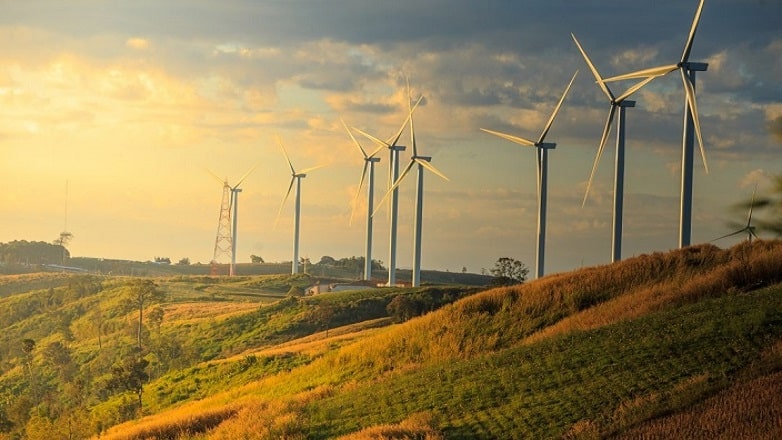
While Brazil takes the most credit for renewables in Latin America, Uruguay is an underestimated country, since it’s almost independent of fossil fuels. In 2008, Ramón Méndez, an Uruguayan physicist, created an energy policy for the country’s 2030 future. Nowadays, 40% of Uruguay’s energy comes from eolic energy, and the other 58% comes from hydroelectric, biomass, and solar sources.
ESG and their importance for renewables

The ESG criteria -social environment and governance, for its acronym in English- are sustainability criteria. ESG and their importance for renewables comes into play when looking for investors or investing in a company to promote responsible investment.
How to retain your Gen Z employees?

Silence quitting has employers wondering how to retain Gen-Z employees. One of the major changes we have seen is how different their work policies and priorities have become. The culture inside companies has been modified with the goal of creating a safer, more flexible environment where the employee is not only allowed, but motivated to thrive. In order to keep your Gen Z professionals and recruiters engaged and driven towards your company’s success, these are some tips that can help you retain them.
Employment in sustainable mobility
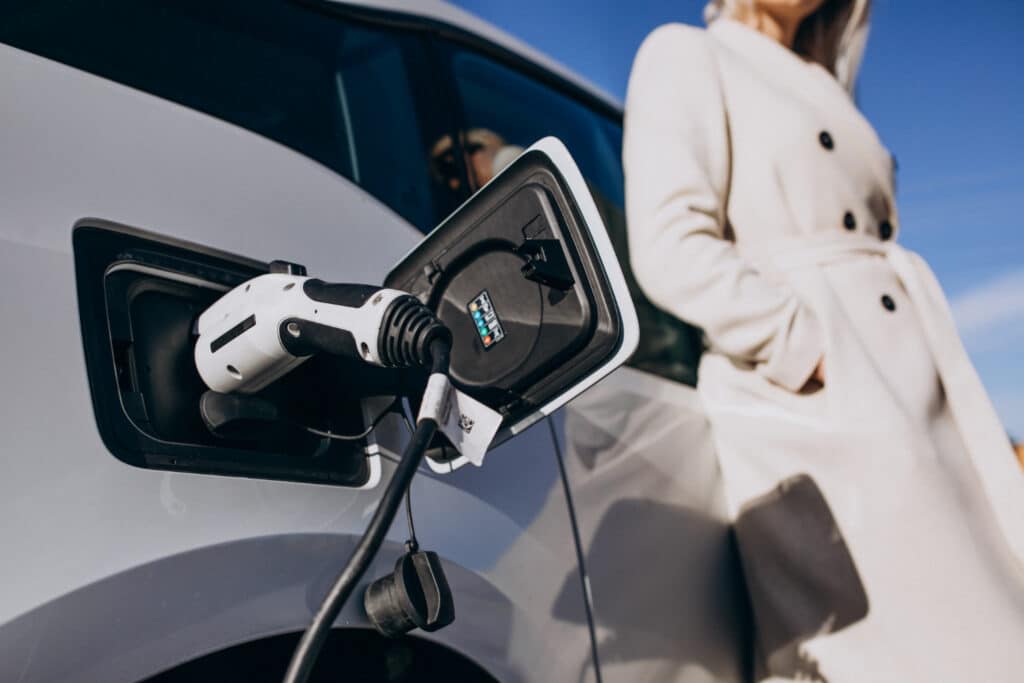
As the number of renewable energies grows, we can observe the benefits on a large scale, such as a the employment in sustainable mobility. Beyond wind farms and solar panels, one of the most relevant advances is green mobility and the policies aimed at promoting it. “Green transport” arises as a solution to the production of gasses and materials that are toxic to the environment that have been created by the traditional fuels that we use to go from one place to another.
The energy transformation, a global and regional overview
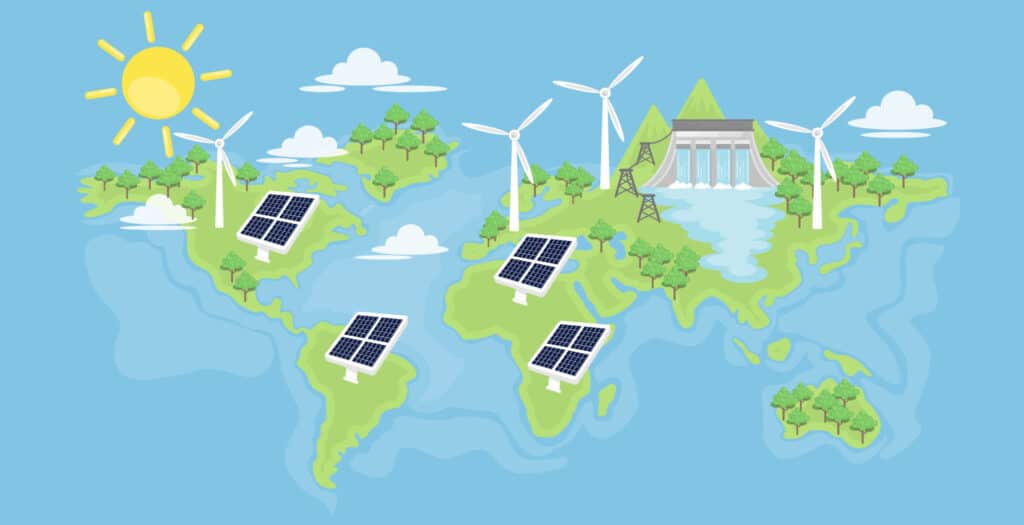
Cities are the main consumer of energy and the main source of C02. They produce 70% of the emissions and without the energy transformation this would double because by the middle of the century, 70% of the world’s population will move to large cities.