
Top 3 renewable additions to watch in 2023

2022 is coming to an end, which means that we’re about to hear a new boom of renewable additions in 2023. After the energy crisis we have faced in the previous years, it is not only start-ups in developed countries that are betting on clean energy but governments in developing countries too. Countries outside of the global north and the BRICS seem to be stepping up their game when it comes to renewables. Here are some of their projects to watch for the upcoming year.
Renewables in Latin America – Uruguay as a role model
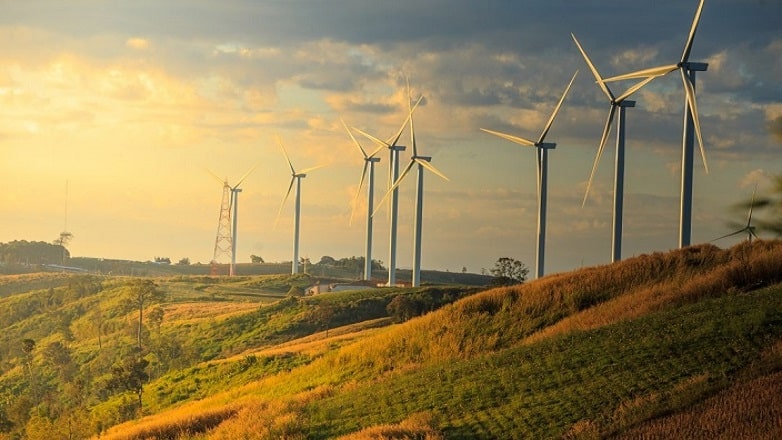
While Brazil takes the most credit for renewables in Latin America, Uruguay is an underestimated country, since it’s almost independent of fossil fuels. In 2008, Ramón Méndez, an Uruguayan physicist, created an energy policy for the country’s 2030 future. Nowadays, 40% of Uruguay’s energy comes from eolic energy, and the other 58% comes from hydroelectric, biomass, and solar sources.
Employment in sustainable mobility
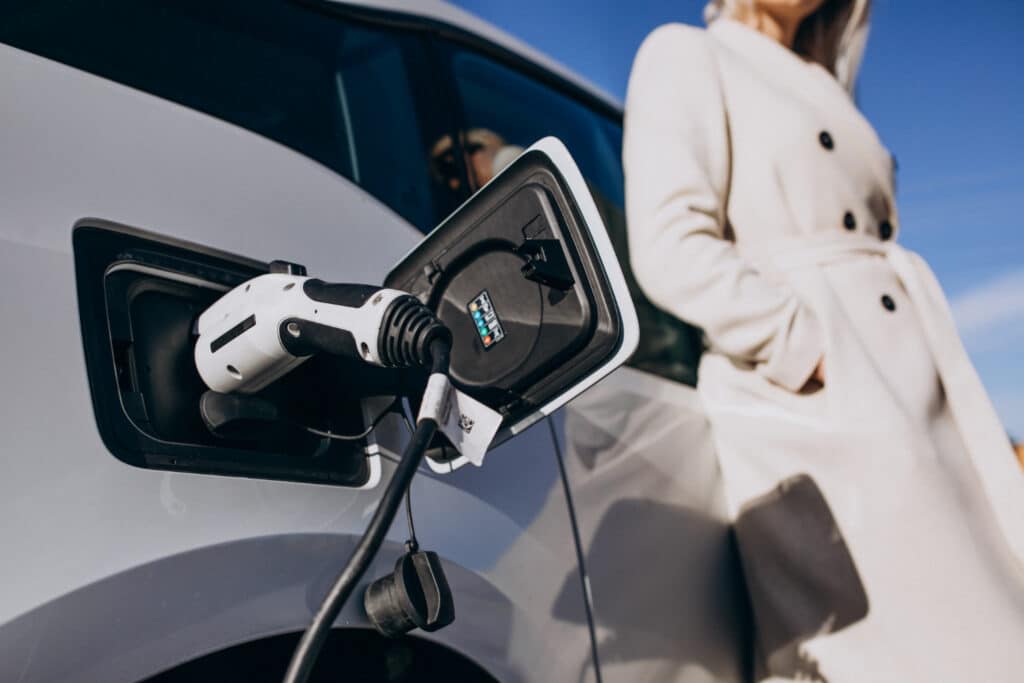
As the number of renewable energies grows, we can observe the benefits on a large scale, such as a the employment in sustainable mobility. Beyond wind farms and solar panels, one of the most relevant advances is green mobility and the policies aimed at promoting it. “Green transport” arises as a solution to the production of gasses and materials that are toxic to the environment that have been created by the traditional fuels that we use to go from one place to another.
Wind energy and its generation of jobs in Brazil
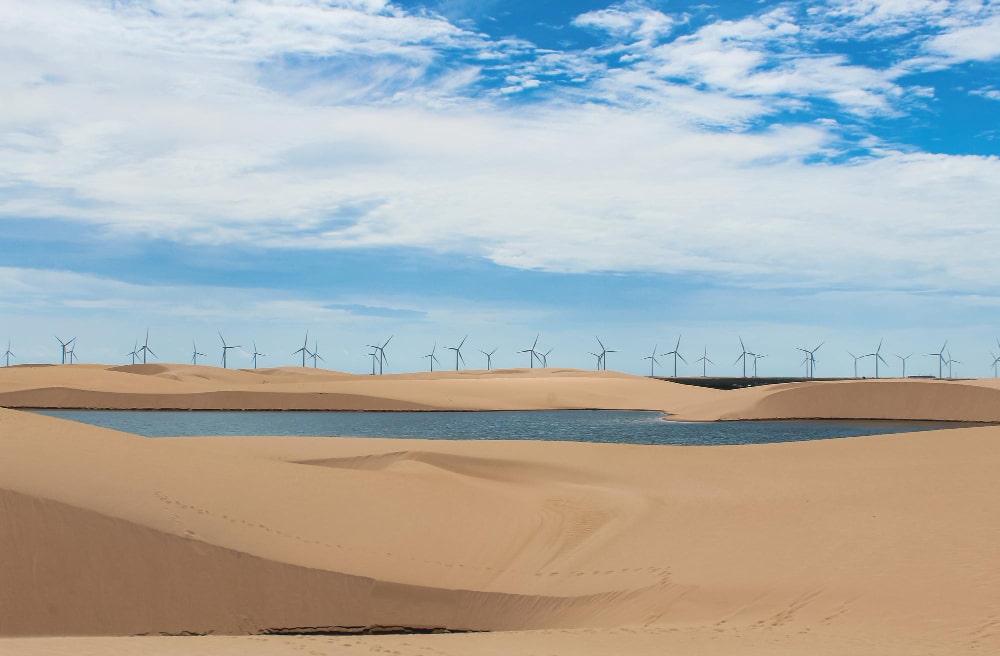
In recent years, wind energy in Brazil and other renewables have positioned it as one of the most innovative countries in terms of renewable energies. According to an IRENA report, it continues to be among the 10 most important countries in the world, behind China and Germany, among others.
Growth of Human Capital in the Renewables Sector
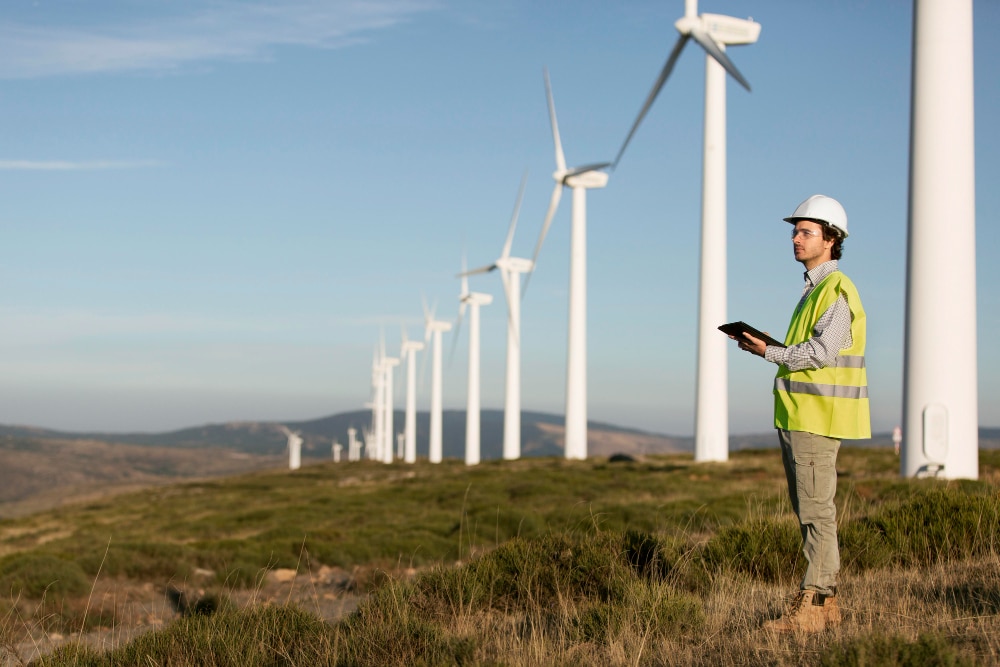
As the renewables sector keeps growing, the challenge to find suitable talent for companies and positions in the industry has become more difficult. According to the International Renewable Energy Agency, employment in renewable energy worldwide was estimated at 11.5 million in 2019, up from 11 million in 2018, which poses the question if there is an appropriate structure when it comes to recruiting human capital as an alternative energy or resources company.
The energy transformation, a global and regional overview
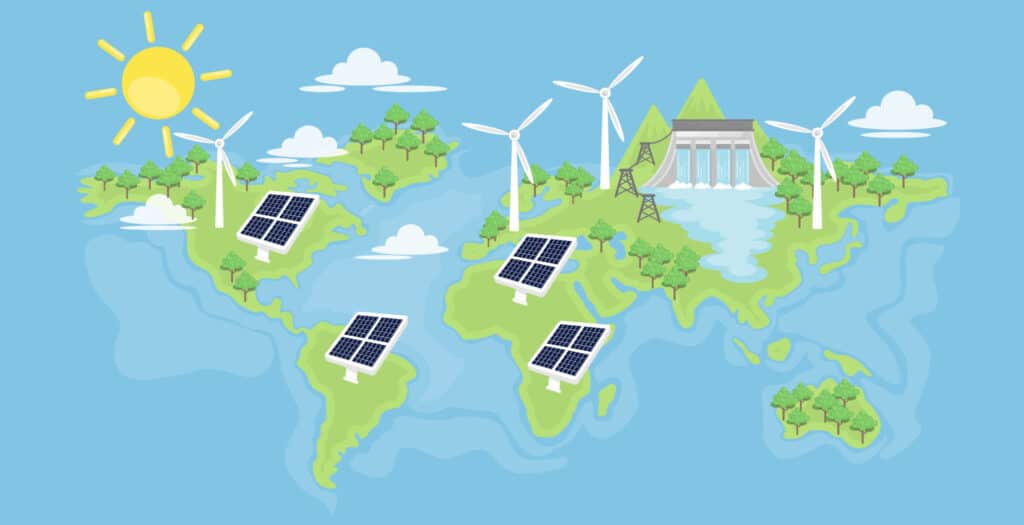
Cities are the main consumer of energy and the main source of C02. They produce 70% of the emissions and without the energy transformation this would double because by the middle of the century, 70% of the world’s population will move to large cities.
Women in the renewable-energy industry

Many industries around the world have been updating their technology, changing their administrative processes and automatizing protocols that have allowed a smoother journey towards the future, and the companies that conform to the renewable-energy industry are not the exception. This industry has managed to achieve important goals, and has taken a stand against climate emergencies happening in every country.
Employment Benefits of Photovoltaics’ Growth
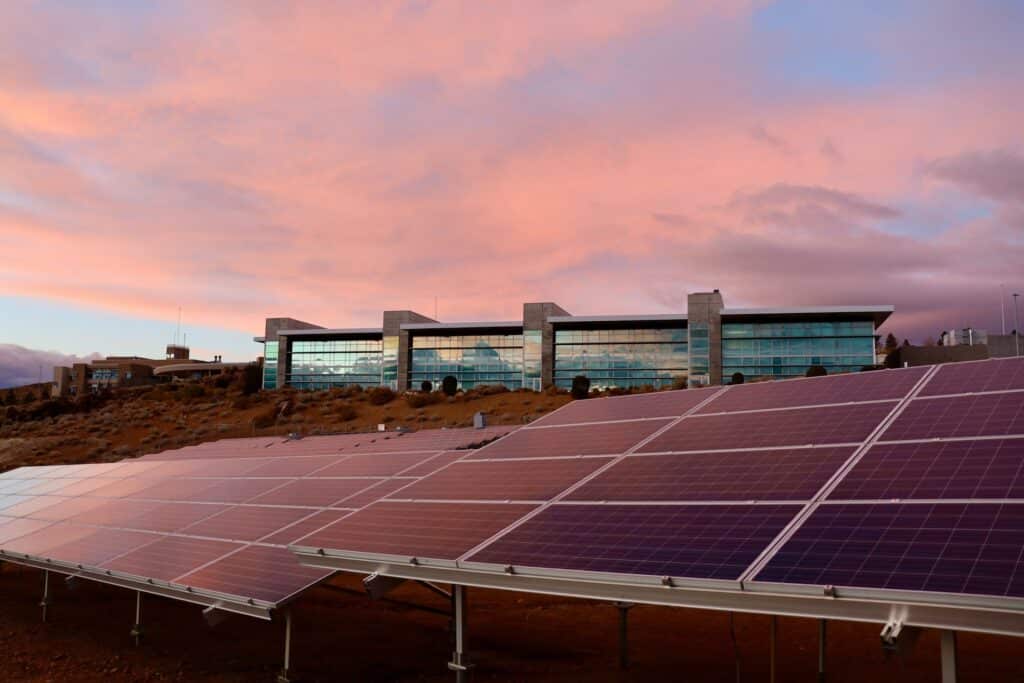
If we talk about photovoltaic energy, we must mention that Asia is the top producer with more than 50% of installations worldwide. PV energy represents the future of the green economy, since it allows energy to be obtained directly, and it is a totally sustainable and economical method that will help other industries to become green.
Renewables and Their Jobs Throughout History
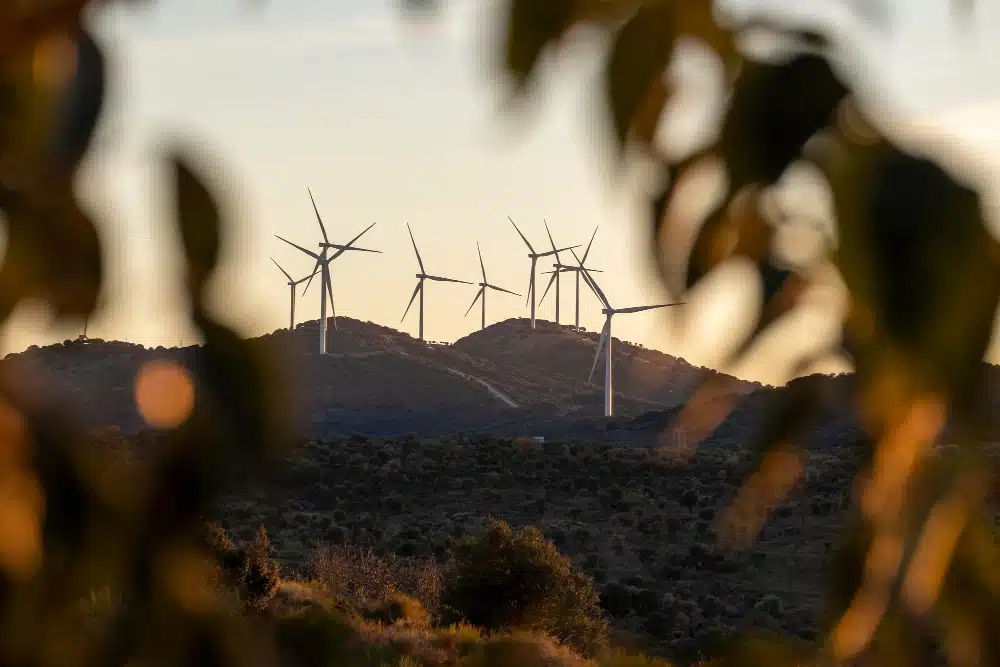
Renewable energy has existed since the beginning of time—it was all we had. Some might argue that, for the sake of the planet, we should never have changed that. However, it is natural that as we evolved, so did our tools and technologies. This evolution is not negative; in recent decades, we have focused on developing technologies that are more efficient than those of the past, to produce cleaner and more efficient energy.
5 Renewable Energy Trends for 2022
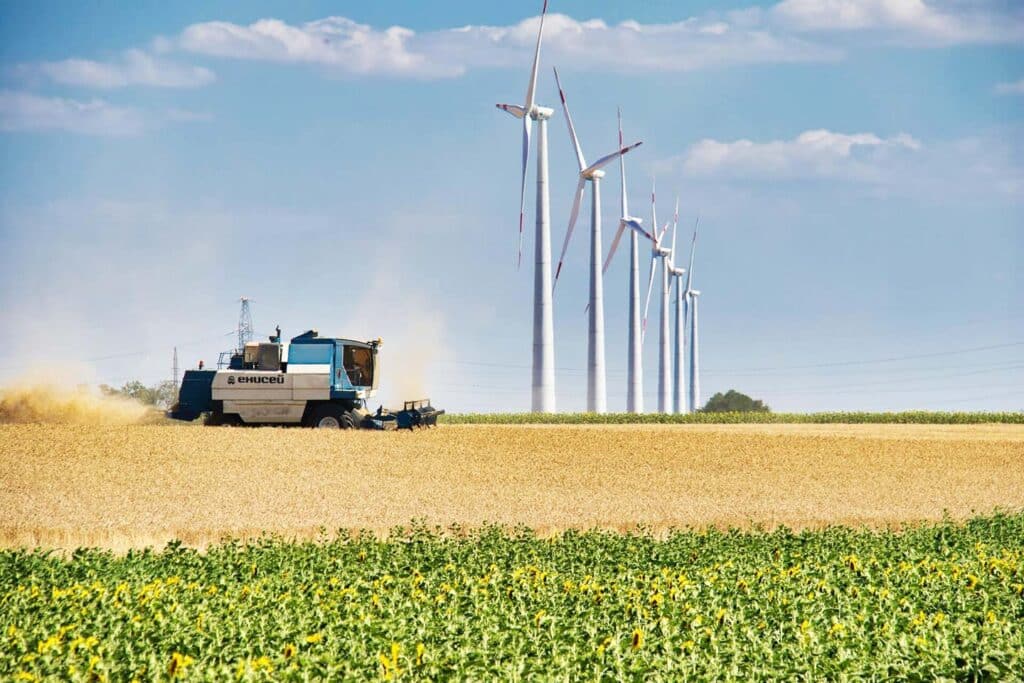
As we already know, the world has gone through drastic changes in recent years, especially, and the most worrying, climate change.